Friday, June 1, 2018

19 Expensive Things That Improve Your Life and Are Actually Worth Every Penny

On many things in life, it's wise to save your pennies and opt for the off-brand or cheaper version. Most of the time, you can't even tell the difference between them.

But sometimes you totally can.

Advertisement

Original Article : HERE ; This post was curated & posted using : RealSpecific

=>
***********************************************
Post Source Here: 19 Expensive Things That Improve Your Life and Are Actually Worth Every Penny
************************************
=>

Sponsored by  our friends from Met001.biz 

=>

This article was searched, compiled, delivered and presented using  RSS Masher  & TrendingTraffic  

=>>


19 Expensive Things That Improve Your Life and Are Actually Worth Every Penny was originally posted by Viral News Feed 14

White House Blames Democrats for Cruel and Inhumane Border Policies

Backing President Trumps misleading assertion Saturday that Democrats are behind a horrible law that separates parents from their children at the U.S. border, the White House released a statement early Monday accusing Democrats of cruel and inhumane open-borders policies. Democrats are responsible for encouraging mass illegal migration, enabling horrendous child smuggling, and releasing violent MS-13 gang members into American communities, White House deputy press secretary Hogan Gidley said in a statement. Their lawless policies spread human suffering and finance criminal cartels, he said. The Trump administrations attempt to shift the blame for a policy pushed by Attorney General Jeff Sessions comes amid mounting outrage over reports immigration authorities have lost track of nearly 1,500 migrant children in recent months. A top official with the Department of Health and Human Services disclosed the figure last month but said the government is not legally responsible for the children after they are sent to live with sponsors.

Original Article : HERE ; This post was curated & posted using : RealSpecific

=>
***********************************************
Original Post Here: White House Blames Democrats for Cruel and Inhumane Border Policies
************************************
=>

Sponsored by  SmartQuotes - Your daily smart quote 

=>

This article was searched, compiled, delivered and presented using  RSS Masher  & TrendingTraffic  

=>>


White House Blames Democrats for Cruel and Inhumane Border Policies was originally posted by Viral News Feed 14

Russia-Linked Facebook Ads Targeted a Sketchy Chrome Extension at Teen Girls

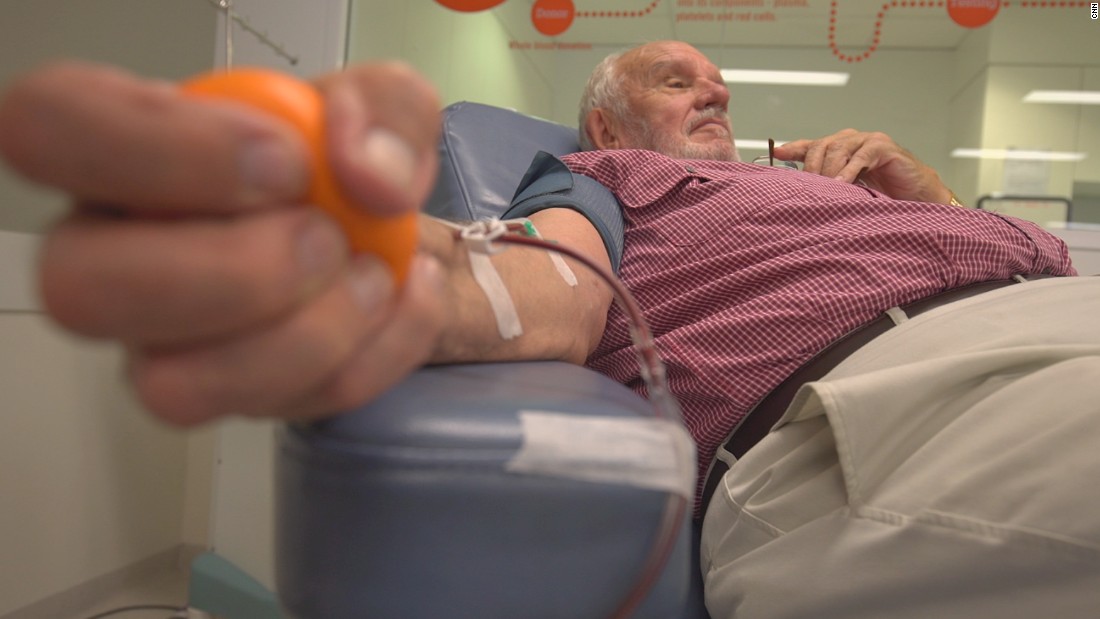
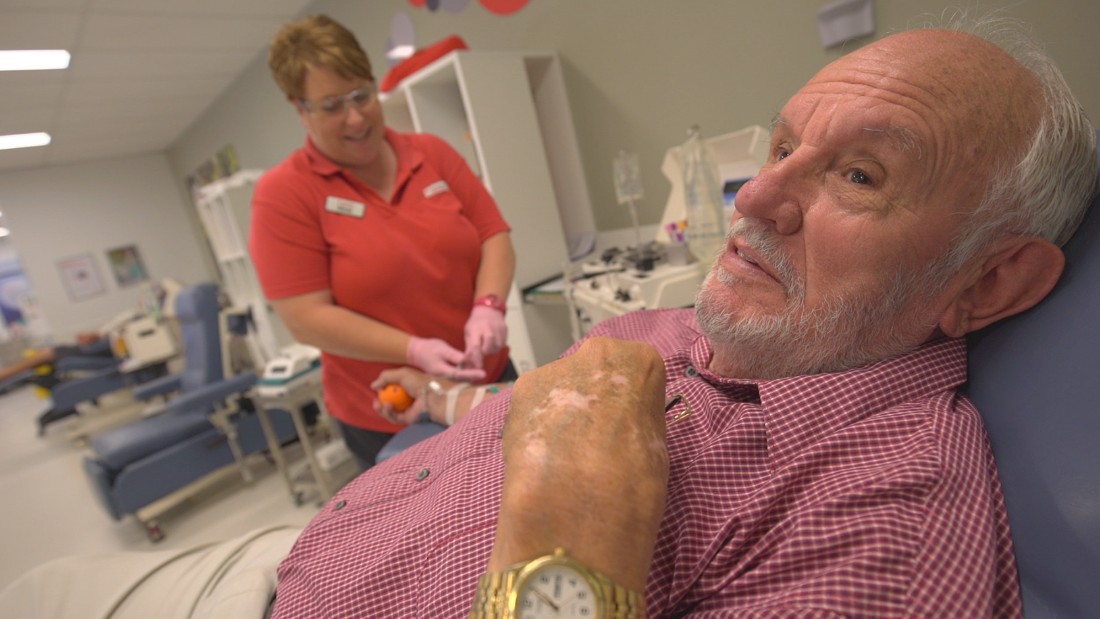
He donated blood every week for 60 years and saved the lives of 2.4 million babies

(CNN)Most people, when they retire, get a gold watch. James Harrison deserves so much more than that.

According to the Australian Red Cross Blood Service, he has helped saved the lives of more than 2.4 million Australian babies.

First, a note about antibodies

    Harrison's blood has unique, disease-fighting antibodies that have been used to develop an injection called Anti-D, which helps fight against rhesus disease.
    This disease is a condition where a pregnant woman's blood actually starts attacking her unborn baby's blood cells. In the worst cases, it can result in brain damage, or death, for the babies.
    Here's why:
    The condition develops when a pregnant woman has rhesus-negative blood (RhD negative) and the baby in her womb has rhesus-positive blood (RhD positive), inherited from its father.
    If the mother has been sensitized to rhesus-positive blood, usually during a previous pregnancy with an rhesus-positive baby, she may produce antibodies that destroy the baby's "foreign" blood cells. That could be deadly for the baby.

    How Harrison made a difference

    Harrison's remarkable gift of giving started when he had major chest surgery when he was just 14, the Australian Red Cross Blood Service said.
    Blood donations saved his life, so he pledged to become a blood donor.
    A few years later, doctors discovered his blood contained the antibody which could be used to create Anti-D injections, so he switched over to making blood plasma donations to help as many people as possible.
    Doctors aren't exactly sure why Harrison has this rare blood type, but they think it might be from the transfusions he received when he was 14, after his surgery. He's one of no more than 50 people in Australia known to have the antibodies, the blood service says.
    "Every bag of blood is precious, but James' blood is particularly extraordinary. His blood is actually used to make a life-saving medication, given to moms whose blood is at risk of attacking their unborn babies. Every batch of Anti-D that has ever been made in Australia has come from James' blood." Falkenmire said. "And more than 17% of women in Australia are at risk, so James has helped save a lot of lives."

    Why his donations were a game changer

    Anti-D, produced with Harrison's antibodies, prevents women with rhesus-negative blood from developing RhD antibodies during pregnancy. More than three million does of Anti-D have been issued to Australian mothers with negative blood types since 1967.
    Even Harrison's own daughter was given the Anti-D vaccine.
    "That resulted in my second grandson being born healthy," Harrison said. "And that makes you feel good yourself that you saved a life there, and you saved many more and that's great.
    The discovery of Harrison's antibodies was an absolute game changer, Australian officials said.
    "In Australia, up until about 1967, there were literally thousands of babies dying each year, doctors didn't know why, and it was awful. Women were having numerous miscarriages and babies were being born with brain damage," Jemma Falkenmire, of the Australian Red Cross Blood Service, told CNN in 2015. "Australia was one of the first countries to discover a blood donor with this antibody, so it was quite revolutionary at the time."

    Why he's a national hero

    That would be more than two million lives, according to the blood service, and for that Harrison is considered a national hero in Australia. He's won numerous awards for his generosity, including the Medal of the Order of Australia, one of the country's most prestigious honors.
    "It becomes quite humbling when they say, 'oh you've done this or you've done that or you're a hero,'" Harrison said. "It's something I can do. It's one of my talents, probably my only talent, is that I can be a blood donor."
    Now that Harrison has given his last blood donation (in Australia you can't donate blood past the age of 81), Falkenmire and others hope people with similar antibodies in their blood will step up and donate.
    "All we can do is hope there will be people out there generous enough to do it, and selflessly in the way he's done," she said.

    Original Article : HERE ; This post was curated & posted using : RealSpecific

    =>
    ***********************************************
    See More Here: He donated blood every week for 60 years and saved the lives of 2.4 million babies
    ************************************
    =>

    Sponsored by AMA News 

    =>

    This article was searched, compiled, delivered and presented using  RSS Masher  & TrendingTraffic  

    =>>


    He donated blood every week for 60 years and saved the lives of 2.4 million babies was originally posted by Viral News Feed 14
    Bill Gates revealed his summer reading list, and they’re all books you’ll want to pick up ASAP

    Thursday, May 31, 2018

    Teen develops ‘wet lung’ after vaping for just 3 weeks

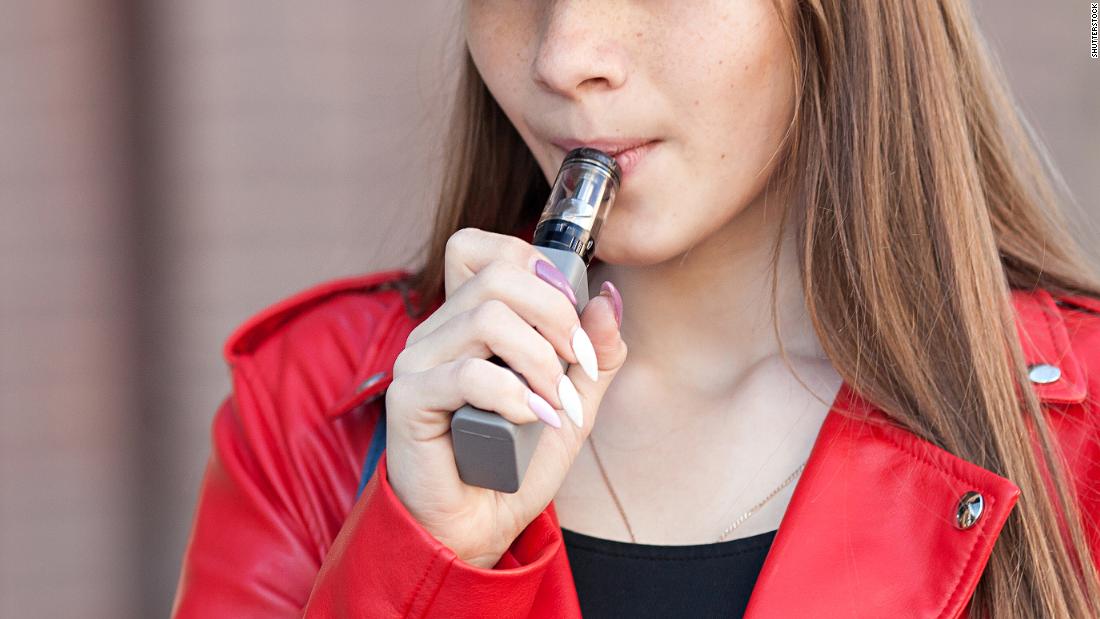
    (CNN)An 18-year old woman working as a hostess in a rural Pennsylvania restaurant decided to try e-cigarettes, perhaps another of the innumerable bistro workers hoping to calm frayed nerves with a smoke -- or in this case, a vape.

    This hostess, though, paid an unusual price for her e-cig use, according to a case study published Thursday in the medical journal Pediatrics. As usual for a patient report, the authors did not disclose the young woman's name to protect her privacy.
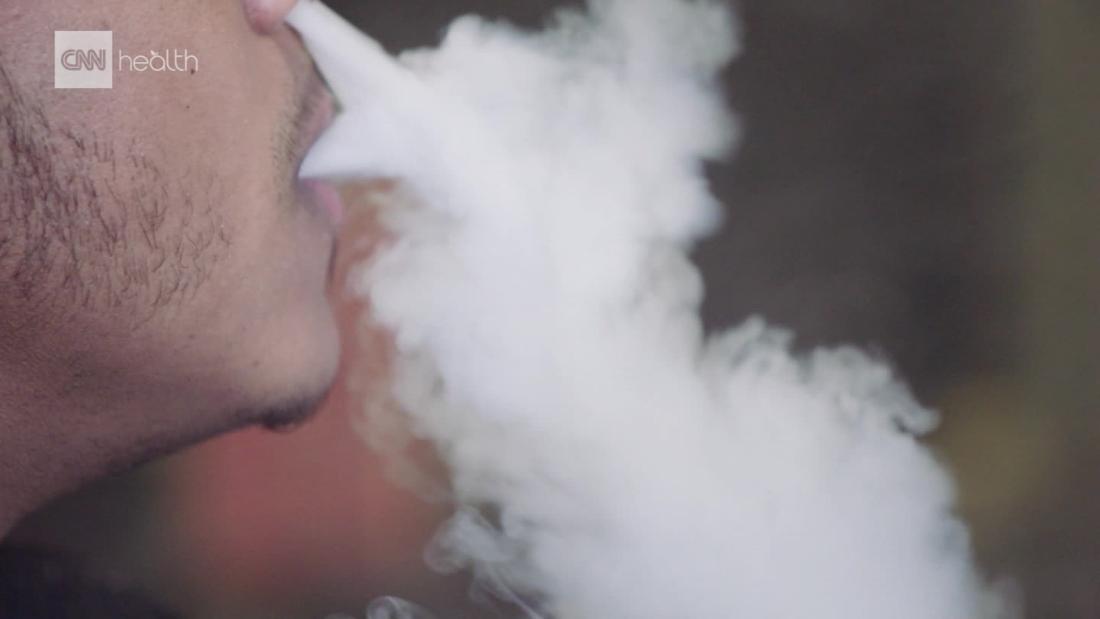
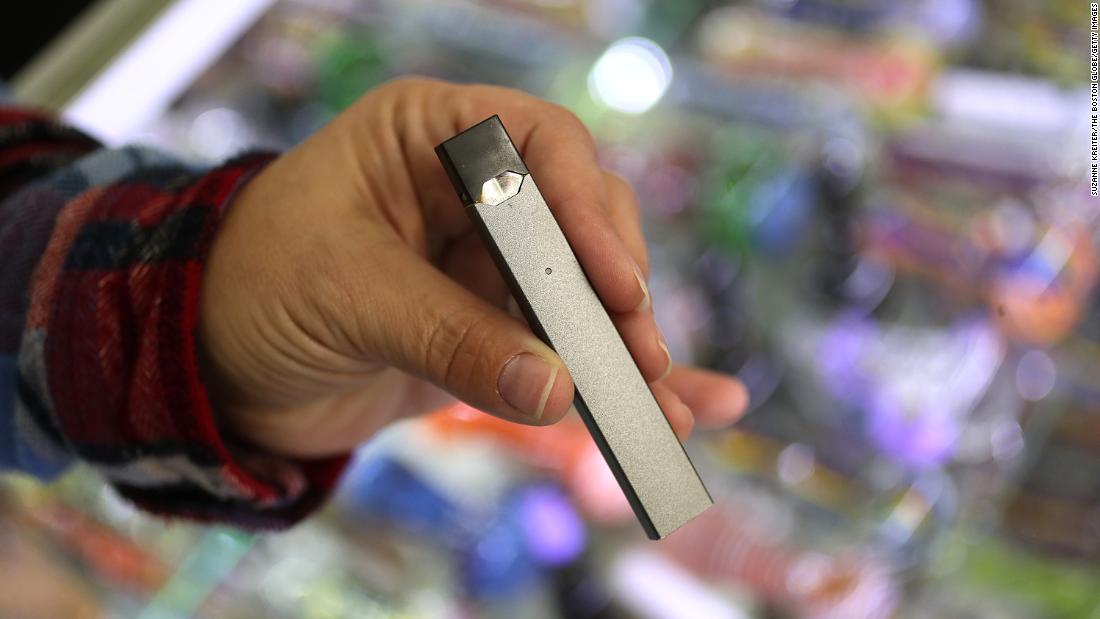
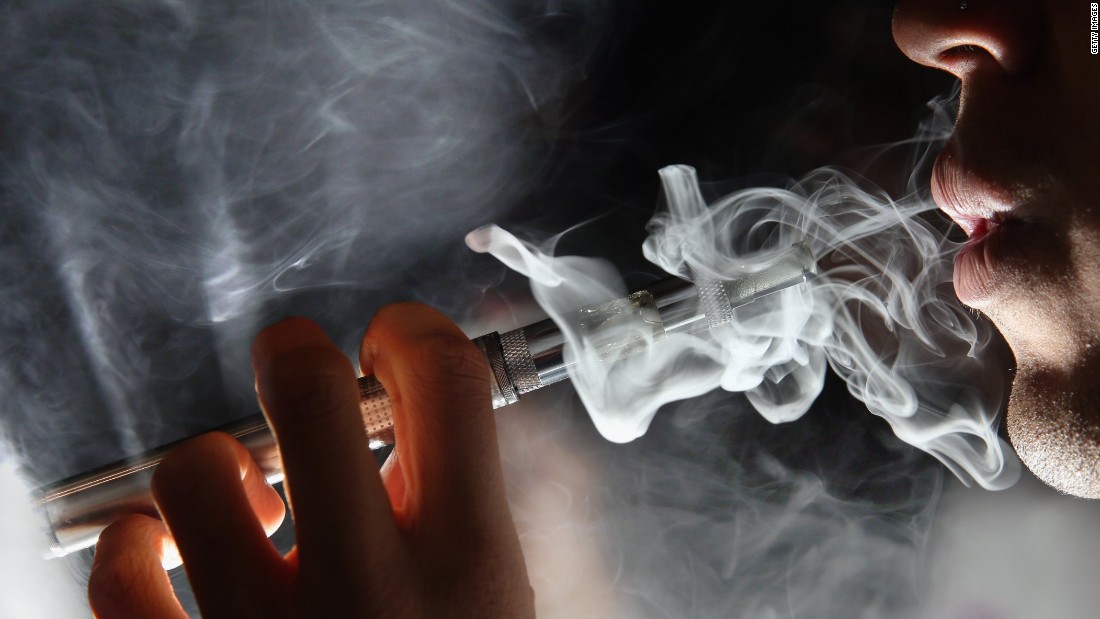
    E-cigarettes heat liquid and turn it into vapor, which a user inhales and then exhales in a large puffy cloud. The liquid is known as e-juice, and it contains flavorings, propylene glycol, glycerin and often nicotine -- though many users are unaware of this final addictive ingredient.
      The hostesshad been vaping for only about three weeks last year when she developed symptoms bad enough to send her to the emergency room of the University of Pittsburgh Medical Center.
      There, doctors recorded her issues: cough, difficulty breathing that was worsening by the minute, and sudden stabbing pains in the chest with every inhalation and exhalation. Not yet feverish, she showed no upper respiratory symptoms such as a runny nose or nasal congestion. In the past, she said, the only lung problems she had were from mild asthma, which rarely required the use of an inhaler.
      When her coughing became more frequent, the ER doctors admitted her to the pediatric intensive-care unit and started her on antibiotics. But her condition rapidly worsened.
      Soon, the young woman experienced what is commonly known as respiratory failure, said Dr. Daniel Weiner, one of the patient's doctors, a co-author of the new report and a medical director at Children's Hospital of Pittsburgh at UPMC.
      "She was unable to get enough oxygen into her blood from her lungs and required a mechanical ventilator (respirator) to breathe for her until her lungs recovered," Weiner said.
      Not only did the hostess require a breathing machine, she needed tubes inserted on both sides of her chest to drain fluid from her lungs.
      Her doctors diagnosed hypersensitivity pneumonitis, sometimes called wet lung, an inflammation of the lungs due to an allergic reaction to chemicals or dust.
      Dr. Casey Sommerfeld, the patient's pediatrician and lead author of the study, said chemicals in the e-cigarettes led to lung damage and inflammation, which triggered the woman's body to mount an immune response.
      "This immune response can lead to increased inflammation and 'leaky' blood vessels, which can lead to fluid accumulation in the lungs," said Sommerfeld, now a general pediatrician at Children's Healthcare of Atlanta.

      'More case reports and side effects'

      The woman was treated with an IV of methylprednisolone, a drug used to treat severe allergic reactions.
      She improved swiftly and was weaned off the mechanical support system five days after being admitted to the hospital.
      "It is difficult to speculate on how frequently this could happen; however, there are a few case reports involving adults that developed respiratory distress following electronic cigarette use," Sommerfeld said. "As electronic cigarette use increases, we will be seeing more case reports and side effects."
      Ilona Jaspers, a professor in the Departments of Pediatrics and Microbiology and Immunology at the University of North Carolina at Chapel Hill, said the case study suggests that e-cigarettes will cause negative health consequences that had not been seen with conventional cigarettes.
      Jaspers, who was not involved in the study, added that even though it describes just one patient, it "highlights the importance of potential adverse health effects associated with e-cigarette use."
      Additionally, the diagnosis of symptoms related to a number of serious lung conditions suggests that the negative health effects of e-cigarettes may "manifest in several different ways," she said.
      Her research has shown that certain e-cigarette flavor chemicals significantly reduce the function of immune cells.

      'Risky behavior'

      Sommerfeld noted that, as vaping products contain nicotine, "vaping can cause side effects including dizziness, headaches, nausea, racing heart, anxiety and difficulty with sleep. Nicotine is known to be addictive, and children can become hooked on electronic cigarettes."
      Jaspers said that, "in addition to nicotine addiction, which by itself will have effects on the adolescent brain, we just do not know yet what the long term health effects of exposure to e-cigarettes may be. We also do not know whether potential health effects caused by using e-cigarettes are more pronounced" in teens.
      The rapid spread of vaping was highlighted by a 2016 report from the US surgeon general that cited a 900% increase in e-cigarette use by high school students from 2011 to 2015. Meanwhile, the 2016 National Youth Tobacco Survey noted that 1.7 million high school students said they had used e-cigarettes in the previous 30 days.
      "I hope we can find a way to quickly reverse this trend," Jaspers said.

      See the latest news and share your comments with CNN Health on Facebook and Twitter.

      Sommerfeld agreed. Using e-cigarettes "normalizes" smoking, she said, and is linked to an "increased likelihood of using typical cigarettes or tobacco products." For this reason, vaping and electronic cigarette use should be included in discussions of "risky behavior" with teens, she said.
      "As a pediatrician, I am always a child advocate and seeking to speak out on the best interest of children."

      Original Article : HERE ; This post was curated & posted using : RealSpecific

      =>
      ***********************************************
      See More Here: Teen develops ‘wet lung’ after vaping for just 3 weeks
      ************************************
      =>

      Sponsored by  FreePLRArticles.biz 

      =>

      This article was searched, compiled, delivered and presented using  RSS Masher  & TrendingTraffic  

      =>>


      Teen develops ‘wet lung’ after vaping for just 3 weeks was originally posted by Viral News Feed 14
      Weedkiller products more toxic than their active ingredient, tests show

      After more than 40 years of widespread use, new scientific tests show formulated weedkillers have higher rates of toxicity to human cells

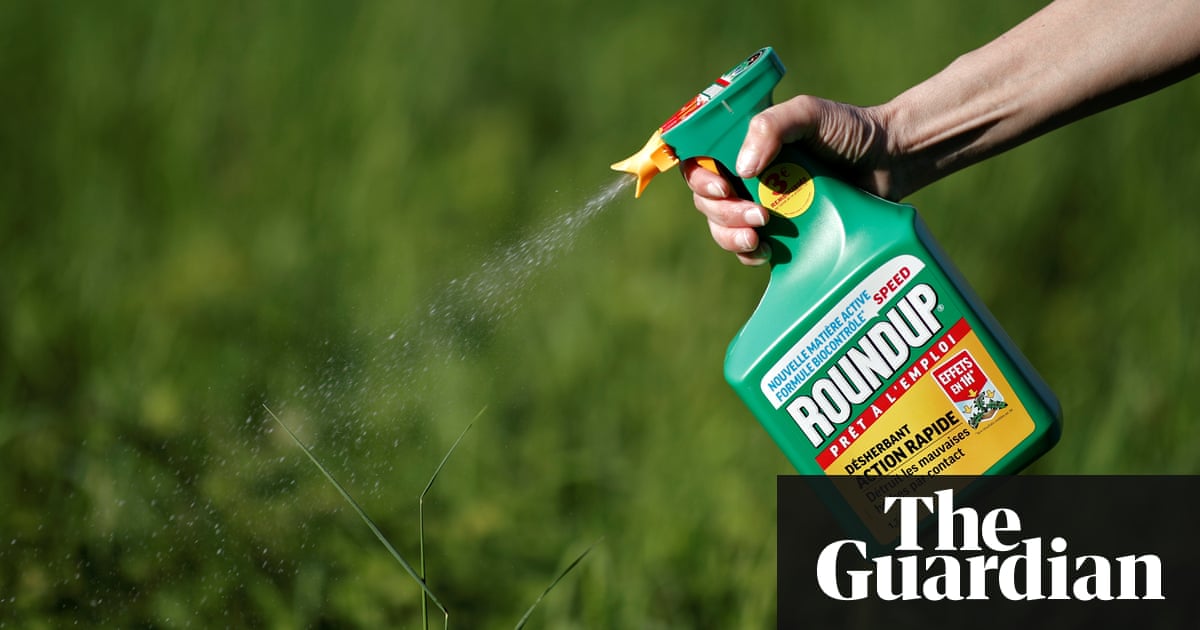
      US government researchers have uncovered evidence that some popular weedkilling products, like Monsantos widely-used Roundup, are potentially more toxic to human cells than their active ingredient is by itself.

      These formulated weedkillers are commonly used in agriculture, leaving residues in food and water, as well as public spaces such as golf courses, parks and childrens playgrounds.

      The tests are part of the US National Toxicology Programs (NTP) first-ever examination of herbicide formulations made with the active ingredient glyphosate, but that also include other chemicals. While regulators have previously required extensive testing of glyphosate in isolation, government scientists have not fully examined the toxicity of the more complex products sold to consumers, farmers and others.

      Monsanto introduced its glyphosate-based Roundup brand in 1974. But it is only now, after more than 40 years of widespread use, that the government is investigating the toxicity of glyphosate-based herbicides on human cells.

      The NTP tests were requested by the Environmental Protection Agency (EPA) after the International Agency for Research on Cancer (IARC) in 2015 classified glyphosate as a probable human carcinogen. The IARC also highlighted concerns about formulations which combine glyphosate with other ingredients to enhance weed killing effectiveness. Monsanto and rivals sell hundreds of these products around the world in a market valued at roughly $9bn.

      Mike DeVito, acting chief of the National Toxicology Program Laboratory, told the Guardian the agencys work is ongoing but its early findings are clear on one key point. We see the formulations are much more toxic. The formulations were killing the cells. The glyphosate really didnt do it, DeVito said.

      A summary of the NTP work stated that glyphosate formulations decreased human cell viability, disrupting cell membranes. Cell viability was significantly altered by the formulations, it stated.

      DeVito said the NTP first-phase results do not mean the formulations are causing cancer or any other disease. While the work does show enhanced toxicity from the formulations, and show they kill human cells, the NTP appears to contradict an IARC finding that glyphosate and/or its formulations induce oxidative stress, one potential pathway toward cancer. The government still must do other testing, including examining any toxic impact on a cells genetic material, to help add to the understanding of risks, according to DeVito.

      The NTP work informs a global debate over whether or not these glyphosate-based weedkilling chemical combinations are endangering people who are exposed. More than 4,000 people are currently suing Monsanto alleging they developed cancer from using Roundup, and several European countries are moving to limit the use of these herbicides.

      This testing is important, because the EPA has only been looking at the active ingredient. But its the formulations that people are exposed to on their lawns and gardens, where they play and in their food, said Jennifer Sass, a scientist with the Natural Resources Defense Council.

      One problem government scientists have run into is corporate secrecy about the ingredients mixed with glyphosate in their products. Documents obtained through Freedom of Information Act requests show uncertainty within the EPA over Roundup formulations and how those formulations have changed over the last three decades.

      That confusion has continued with the NTP testing.

      We dont know what the formulation is. That is confidential business information, DeVito said. NTP scientists sourced some samples from store shelves, picking up products the EPA told them were the top sellers, he said.

      It is not clear how much Monsanto itself knows about the toxicity of the full formulations it sells. But internal company emails dating back 16 years, which emerged in a court case last year, offer a glimpse into the companys view. In one 2003 internal company email, a Monsanto scientist stated: You cannot say that Roundup is not a carcinogen we have not done the necessary testing on the formulation to make that statement. The testing on the formulations are not anywhere near the level of the active ingredient. Another internal email, written in 2010, said: With regards to the carcinogenicity of our formulations we dont have such testing on them directly. And an internal Monsanto email from 2002 stated: Glyphosate is OK but the formulated product does the damage.

      Monsanto did not respond to a request for comment. But in a 43-page report, the company says the safety of its herbicides is supported by one of the most extensive worldwide human health and environmental databases ever compiled for a pesticide product.

      Carey Gillam is a journalist and author, and a public interest researcher for US Right to Know, a non-profit food industry research group.

      Original Article : HERE ; This post was curated & posted using : RealSpecific

      =>
      ***********************************************
      Originally Published Here: Weedkiller products more toxic than their active ingredient, tests show
      ************************************
      =>

      Sponsored by  our friends from Met001.biz 

      =>

      This article was searched, compiled, delivered and presented using  RSS Masher  & TrendingTraffic  

      =>>


      Weedkiller products more toxic than their active ingredient, tests show was originally posted by Viral News Feed 14